[Page 2]


Prototypes in 1/72 scale
page 2
page 3

back to page 1...
on this page 2..

The North
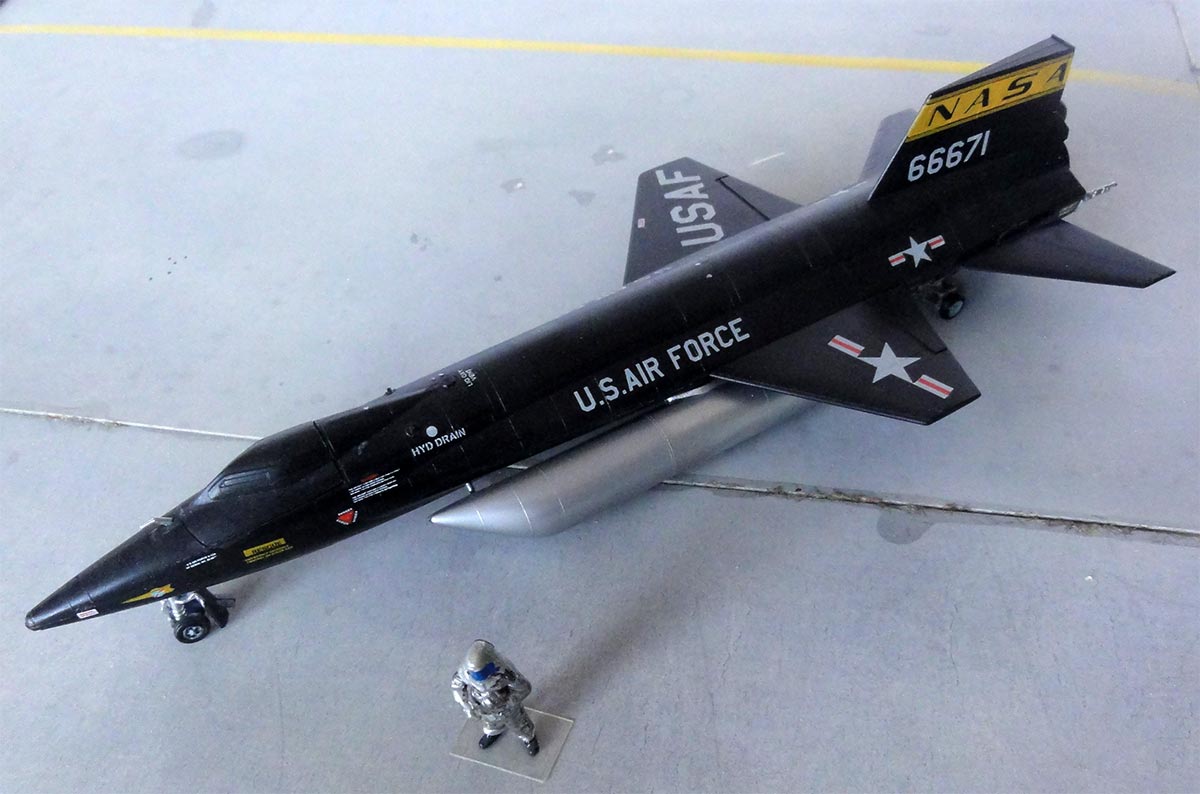
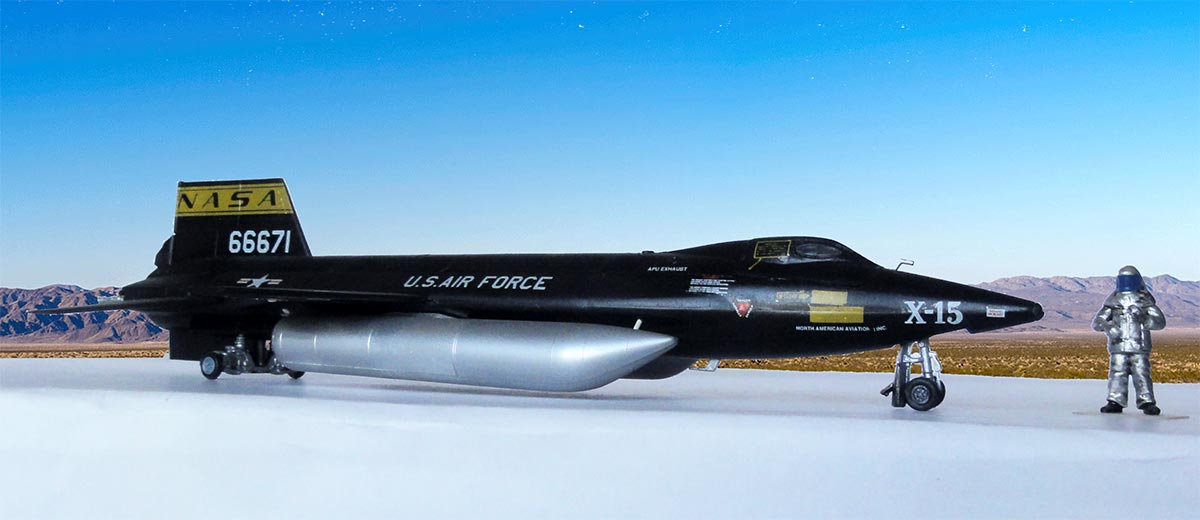
American X-15 was the fastest plane flown up till date, reaching a
record speed of Mach 6.72 in 1965. First flight
was in 1959. The X-15 was a Thiokol rocket propelled research aircraft
to get data on high speed aerodynamics. New technologies were used throughout
like the heat resistant Inconel X alloy and the main undercarriage consisted
of retractable skids. Several planes were built.
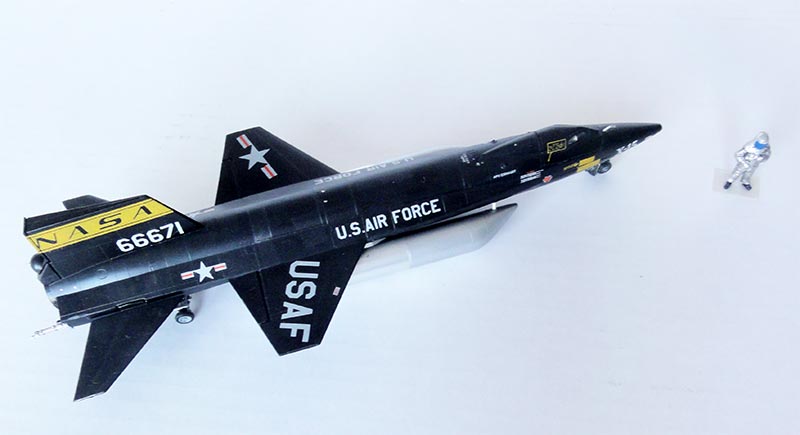
A long time ago, Miyauchi of Japan
had a 1/72 scale kit which was pretty good. This kit is very very rare.
Also Revell issued a kit but I believe it was more in scale 1/65. Vacuforms
were also issued ny Airmodel/Frank modelbau and ESTES had an injection
moulded kit.
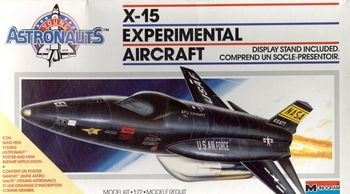
The best model is of Monogram in 1/72 scale and it is an excellent injection moulded model; (the only other older model being in an odd scale of Revell/Aurora).
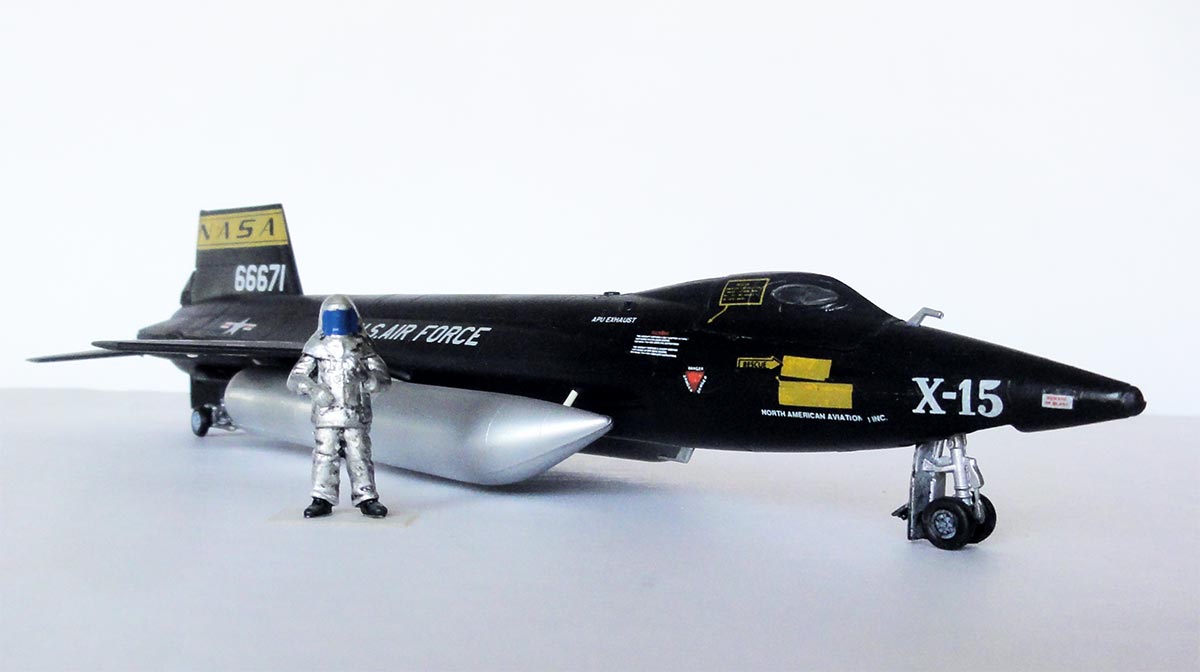
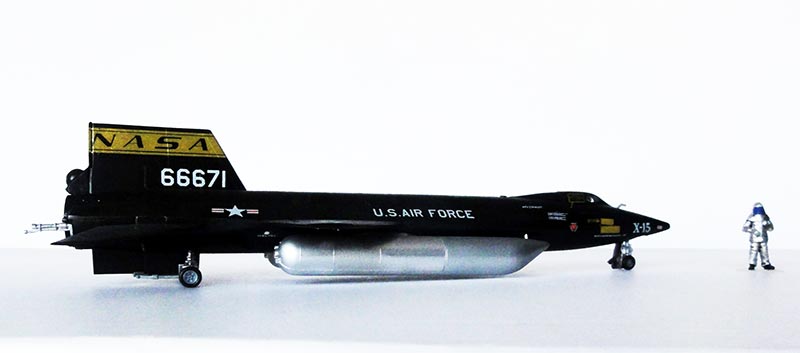
The finish is black with some options
on the different derivatives flown of the X-15. The decals of the kit are
a bit thin, so first put some yellow backing sheet before applying the
yellow NASA logo's.
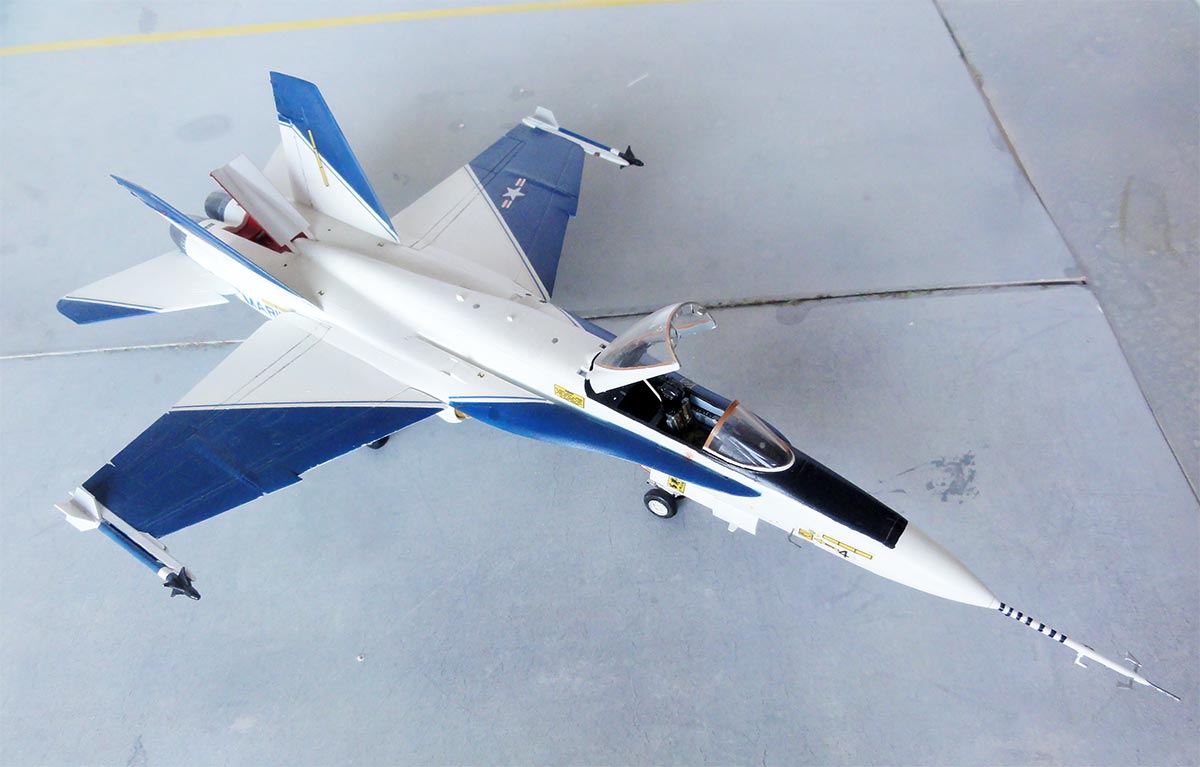
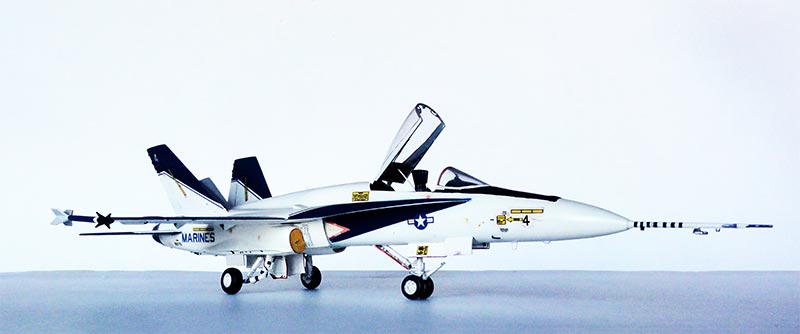
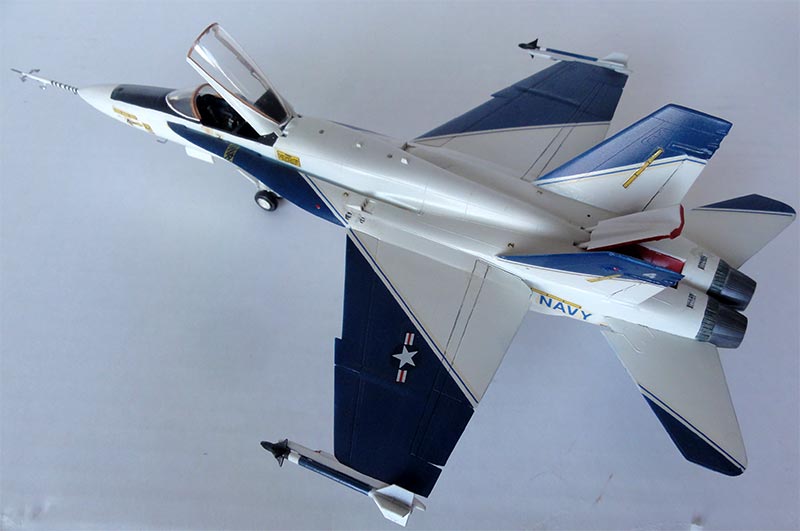
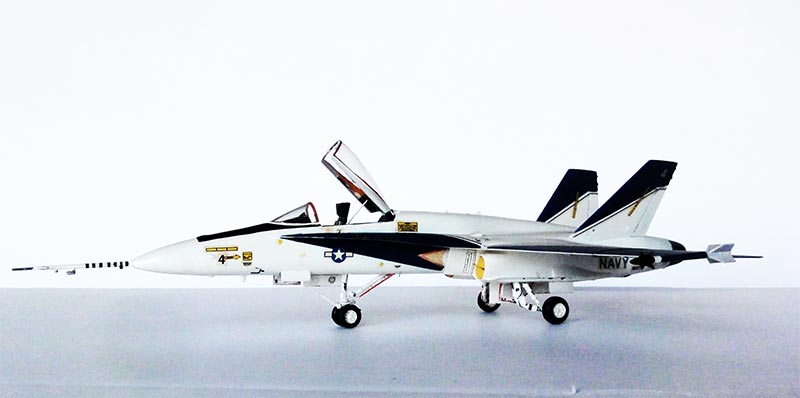
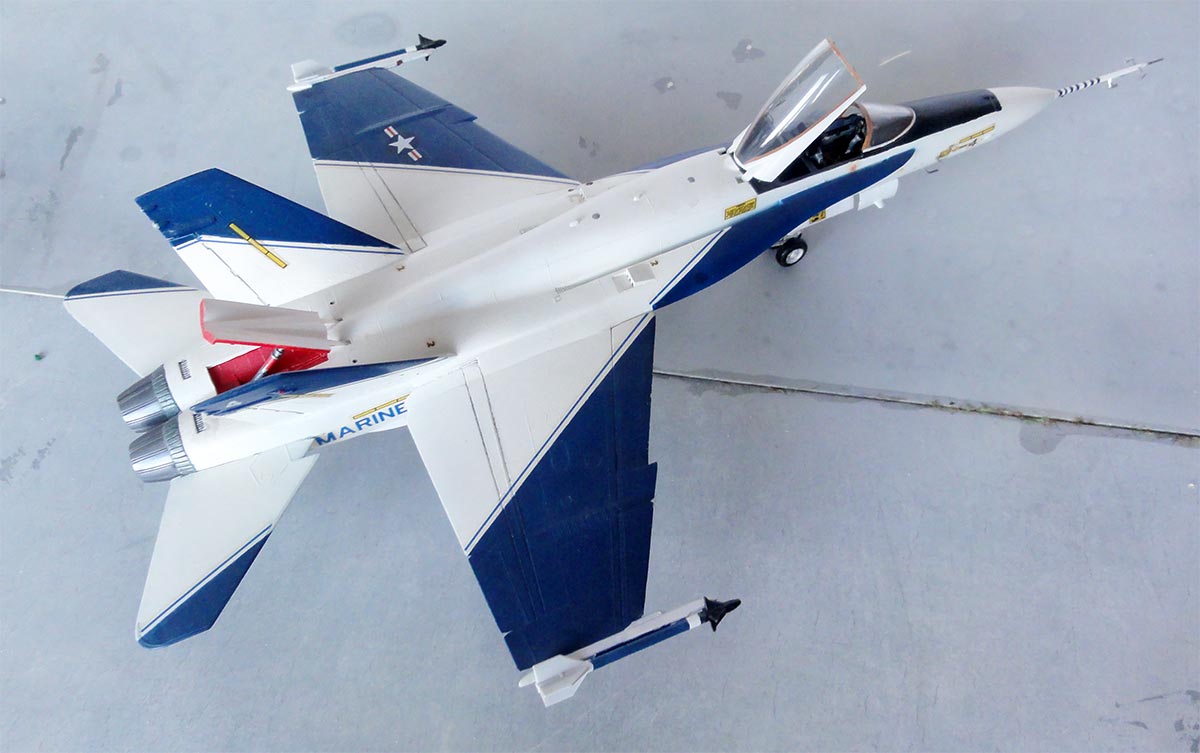
The Northrop YF-17 was developed in competition with the General Dynamics YF-16 for the USAF Light Fighter requirement of 1975. Later on, the YF-17 was used as a basis for the (later McDonnell Douglas) F-18, the YF-18 model being shown.
The F-18 is, as the General Dynamics (later Lockheed) F-16 in the USAF and NATO countries, in wide use with both US NAVY, Canada, Australia and Malaysia.
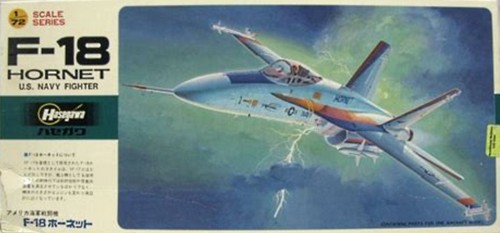
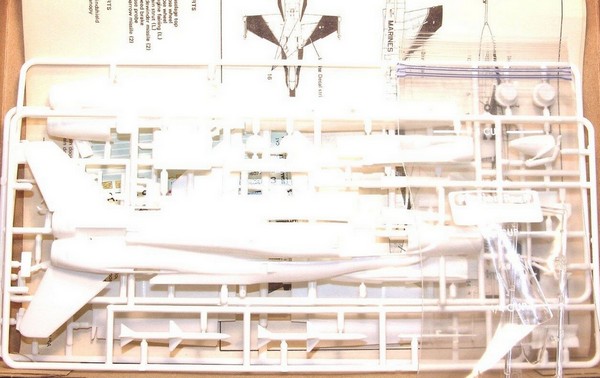
Hasegawa YF-18 prototype kit in 1/72 scale was made. It was also released by Minicraft USA.
The YF-18 model shown has the special test markings, which are supplied in the kit. The thin blue striping were made from lines from special decals and the blue panels were airbrushed.
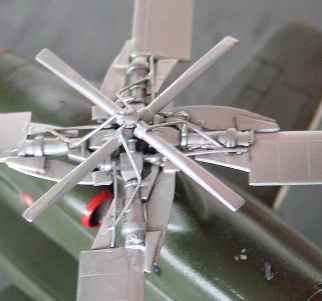
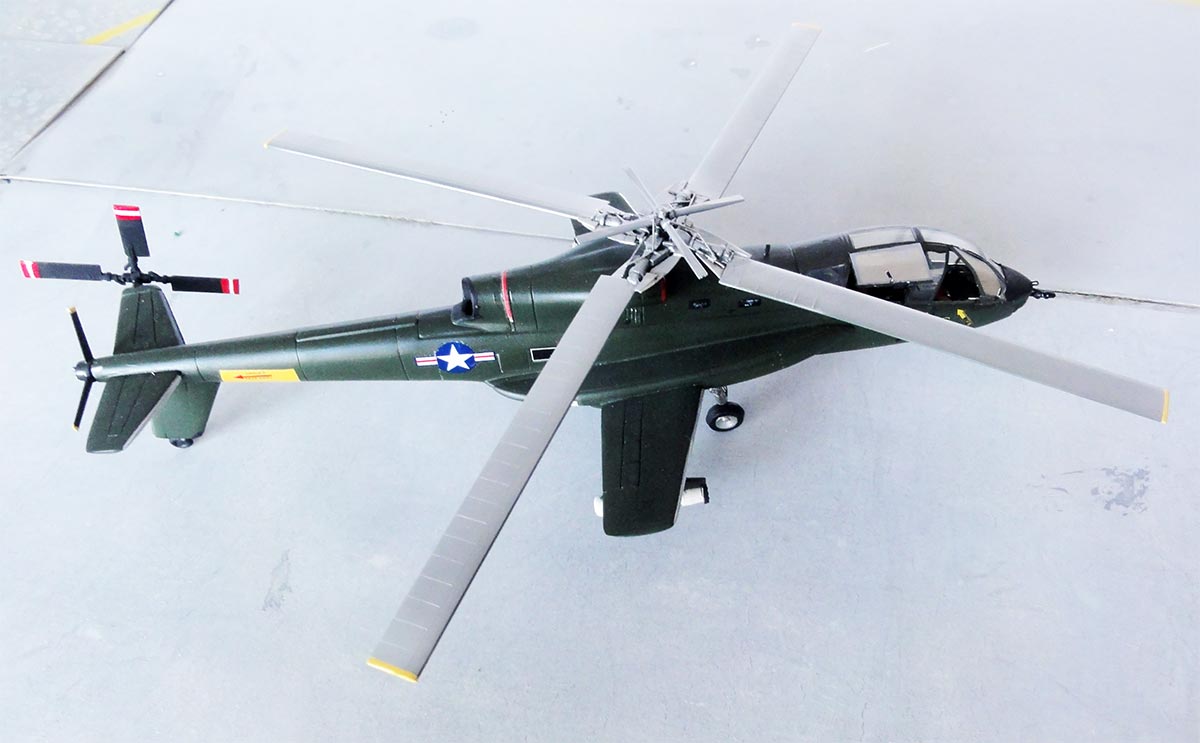
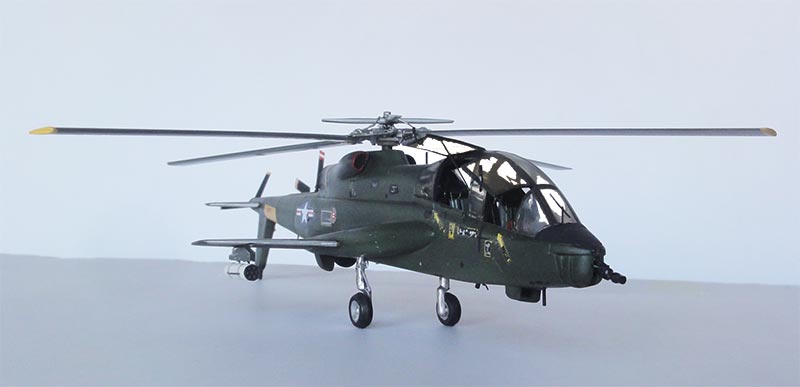
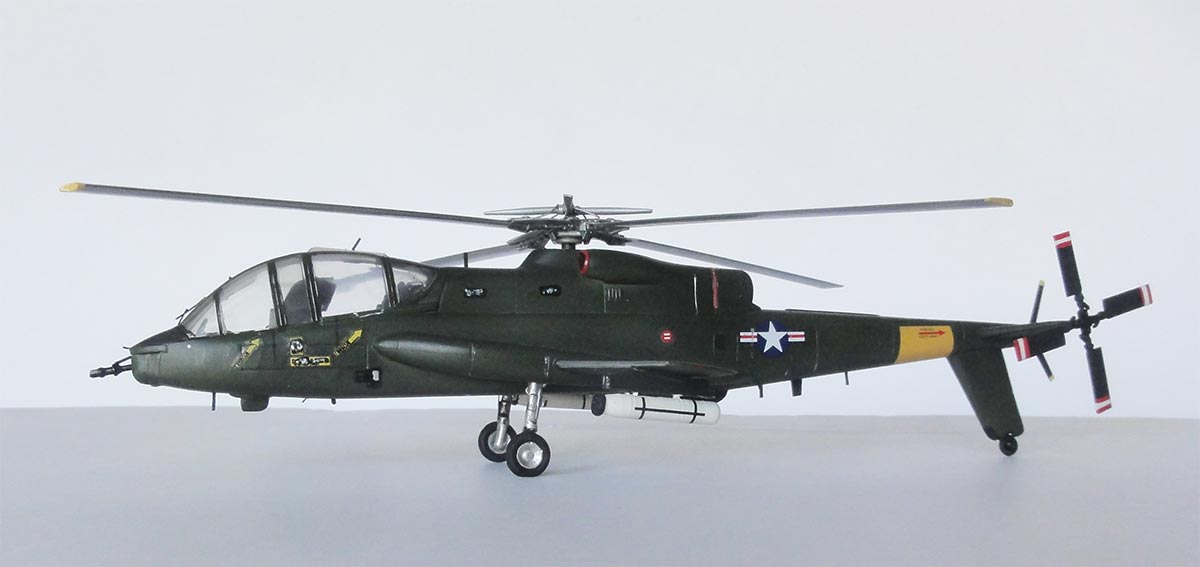
The Lockheed Cheyenne was a Lockheed design for a fast attack helicopter. It featured a pusher propeller besides the conventional rotors. The AH-56A Cheyenne was able to reach a maximum speed of 253 mph and the test program of 1969 was successful. However it was considered too expensive to put into production.
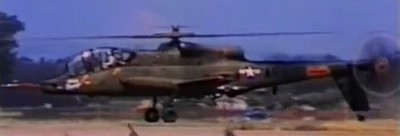
The model in 1/72 scale was the old model from AURORA.
UPDATE: great news is that this kit was re-released with the same moulds by Atlantis kit A506 in 2020
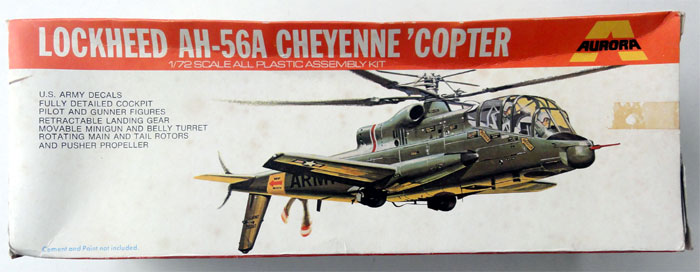
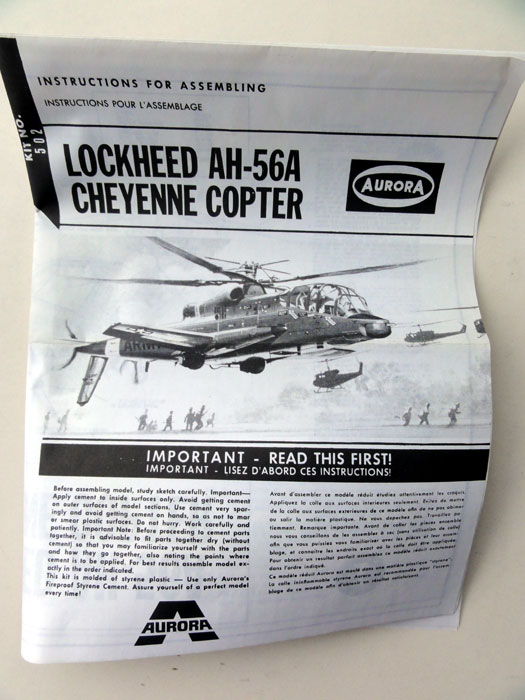
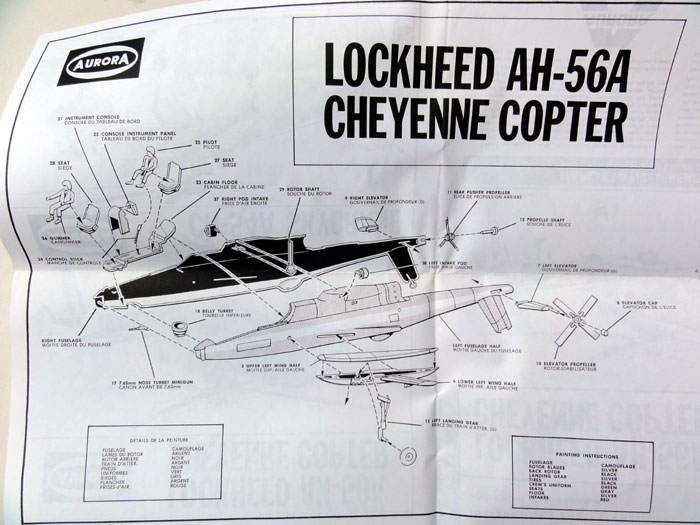
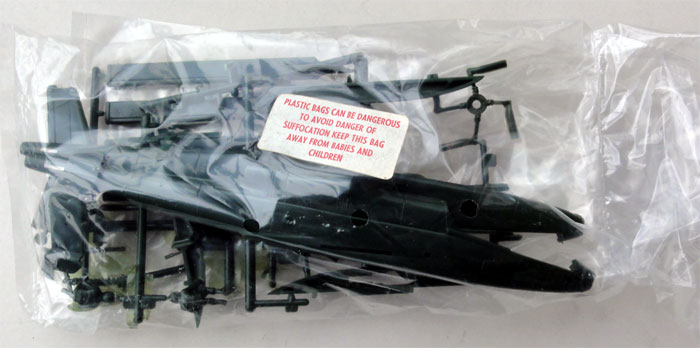
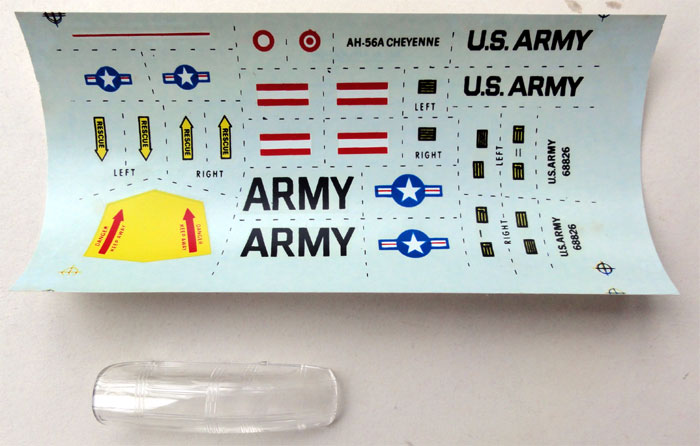
It is a rather crude model, especially in the rotor area. I completely replaced the rotorhub and rotorblades with reduced length blades from a 1/72 Airfix CH-54. Panels were filled and the gaps filled. Also, the cockpit was detailed and I opened the hatches with some clear plastic.
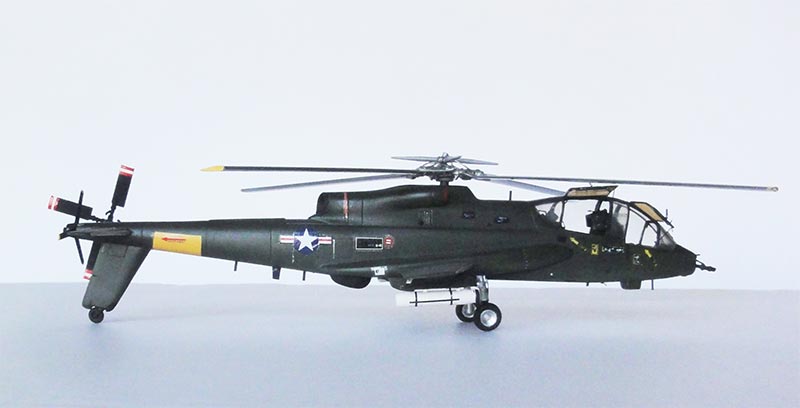
 ...
...
AH-56 Cheyenne
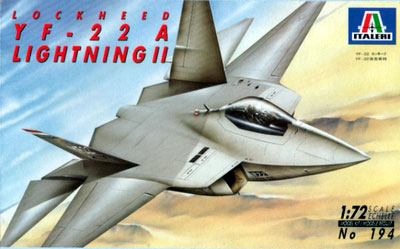
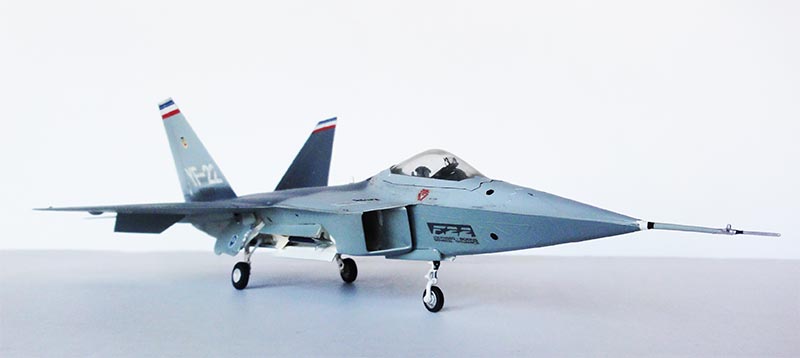
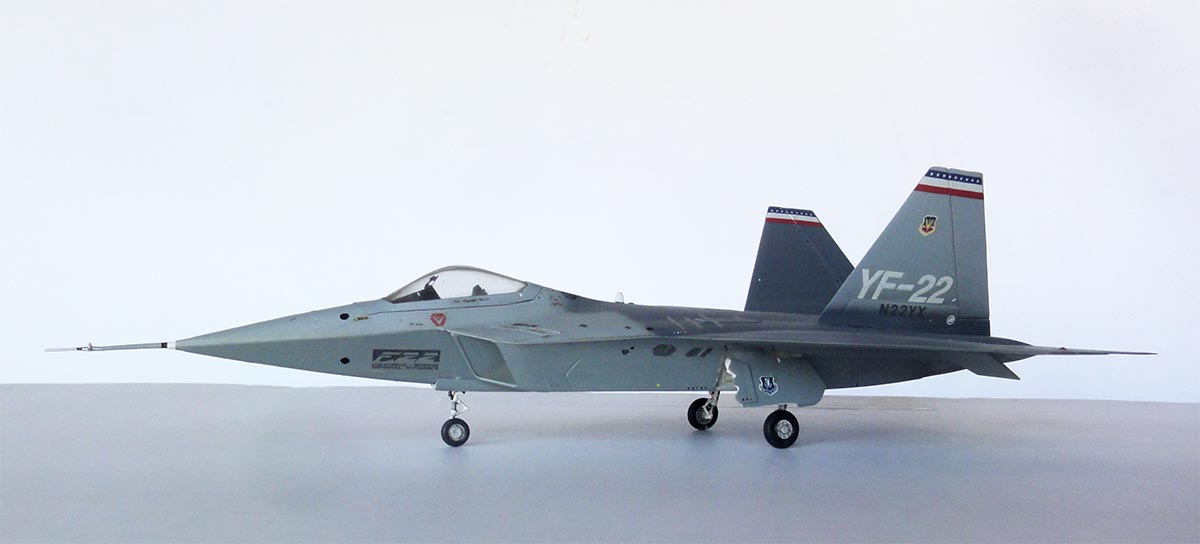
The Lockheed YF-22 is a design to get into a "state of the art" fighter as replacement of the F-15 air superiority aircraft in the USAF inventory.
The YF-22 flew first in the beginning of the nineteenhundred-nineties and currently flight test results have resulted into a re-design into the F-22 Raptor.
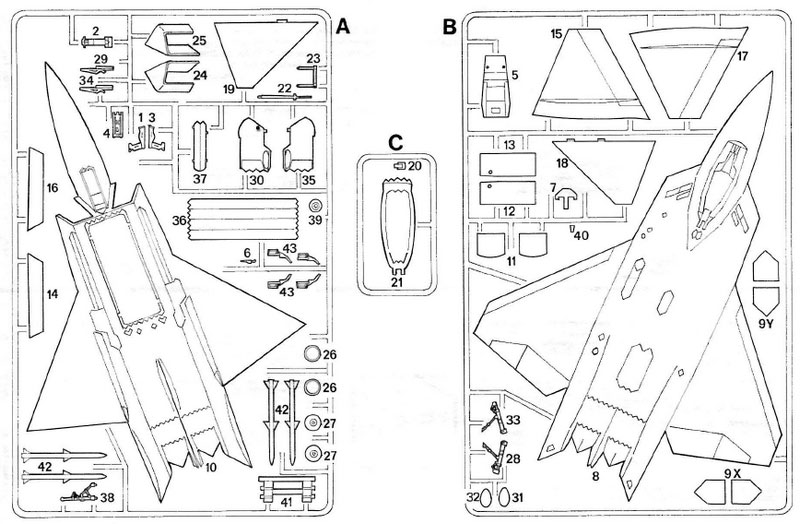
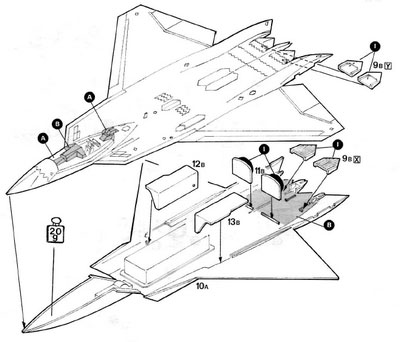
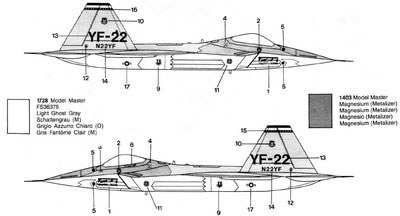
The model #194 from Italeri
representing
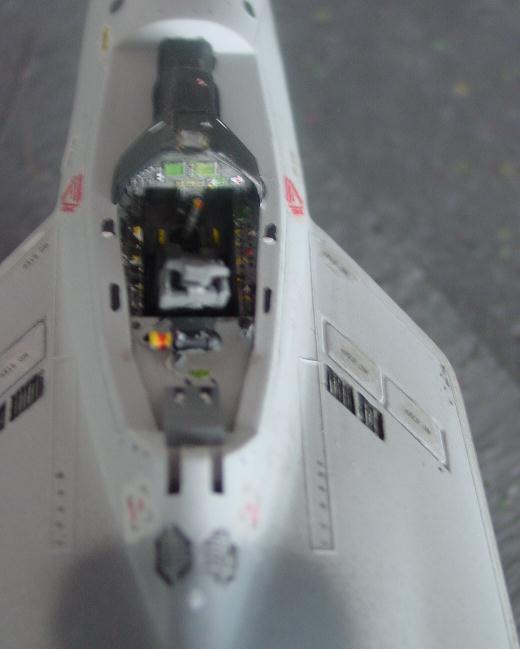
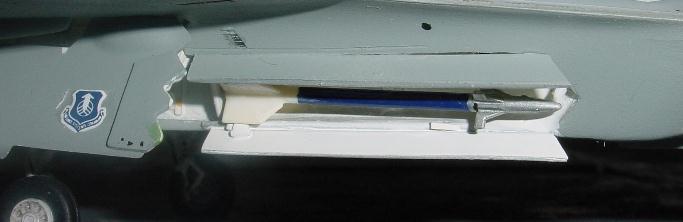
the prototype in 1/72 is quite good. It was made "straight out of the box".
I only added the internal missile weaponsbay and intake ducting.
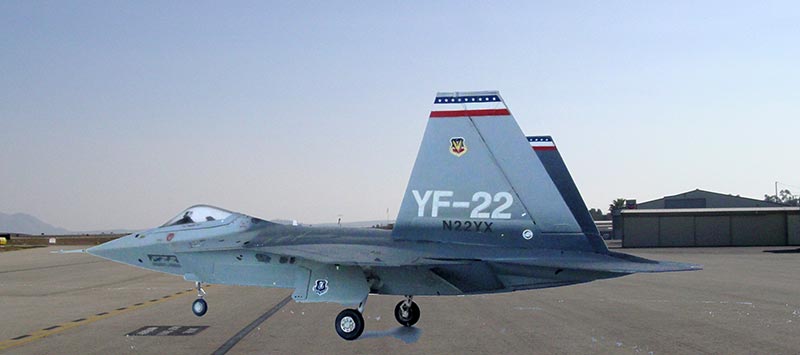
The newer kit of Italeri in 1/72 of
the F-22 Raptor is unfortunately very inaccurate. ACADEMY has thankfully
issued an excellent kit in 1/72 scale in 2012.
- X-planes, Jay Miller, Aerofax inc., 1995 (revised edition)
- Janes pocket book 12 on research & experimental aircraft.
To next page 3 of American X-planes....

(c) Copyright Meindert "designer"/ All rights reserved. Your comments are welcomed by webmaster
Created this page: May 28, 2001