Soviet Bomber


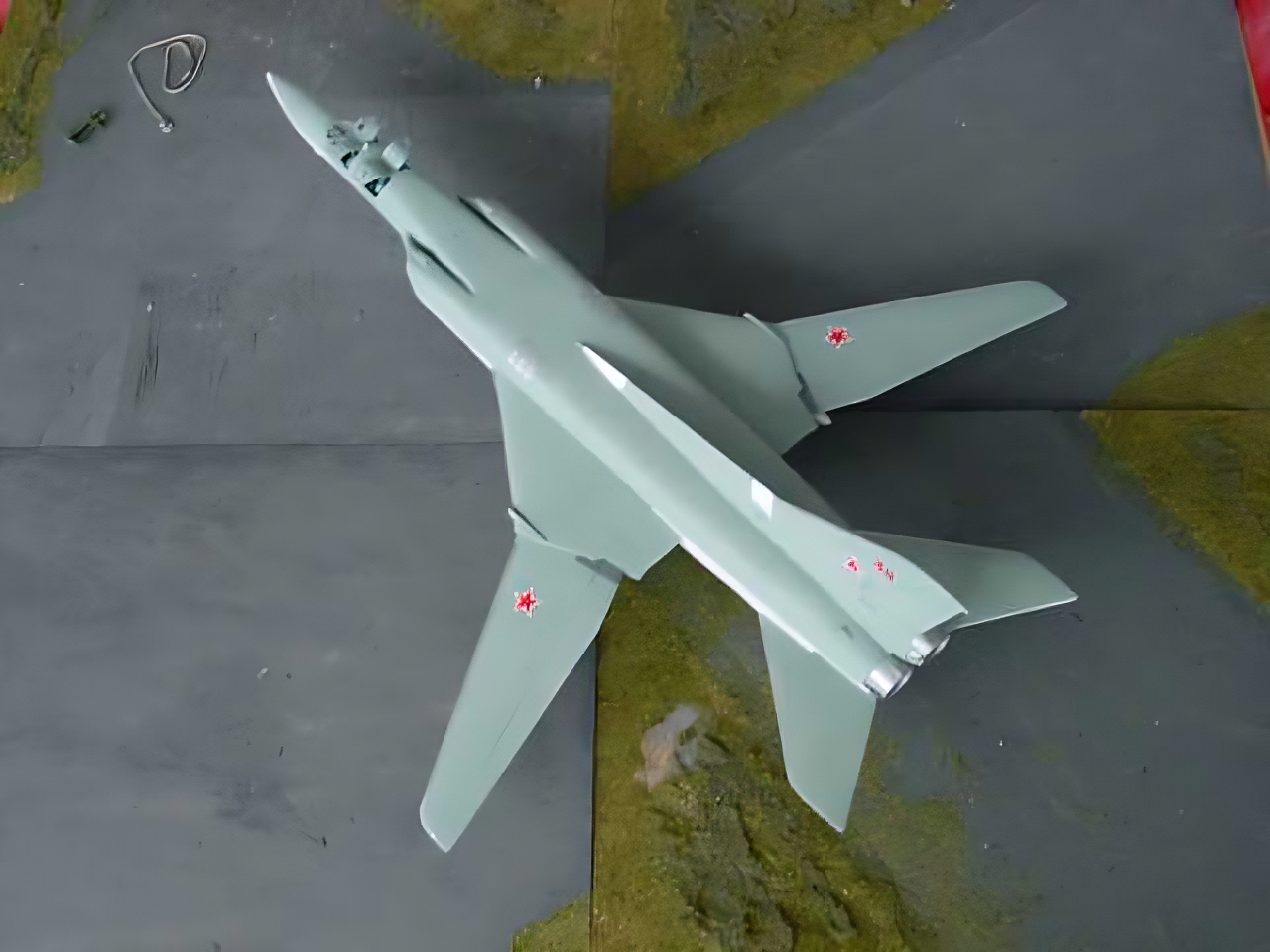
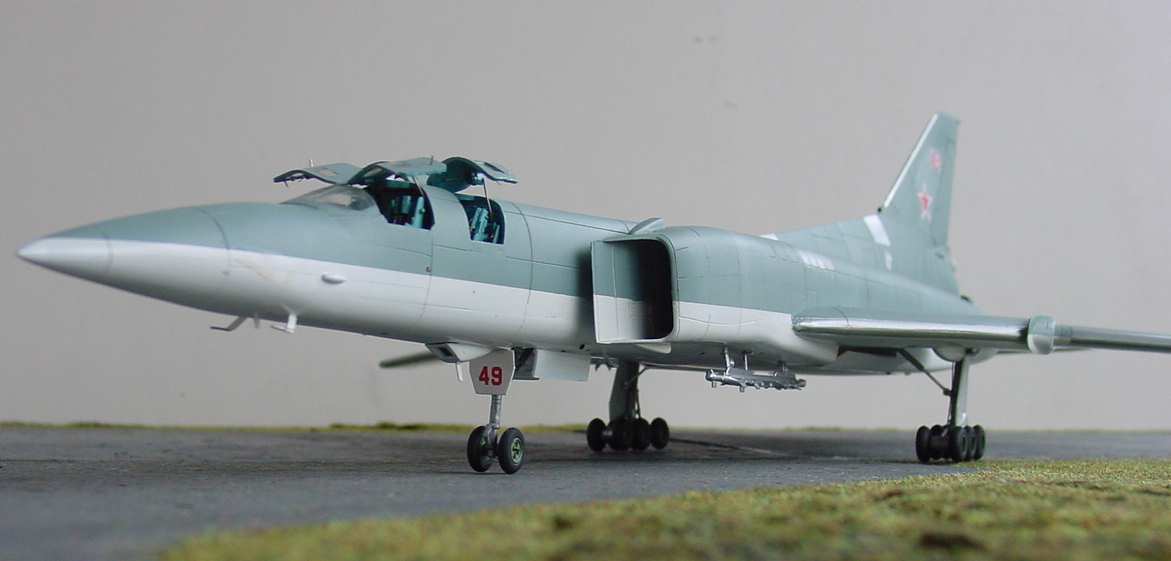
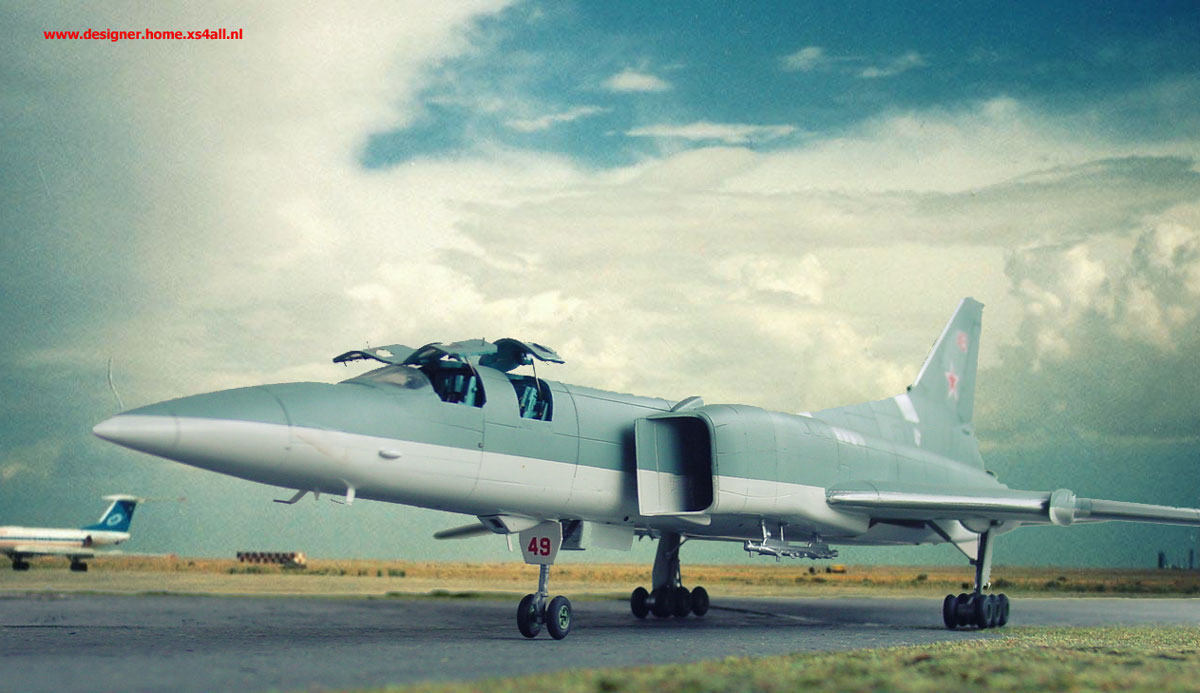
Soviet Backfire model in 1/72 scale made by Meindert de Vreeze

The Tupolev Backfire was a modern Soviet bomber that was designed during the cold war. It served in huge numbers in the former USSR, a limited number now still in service with the Russian AF.
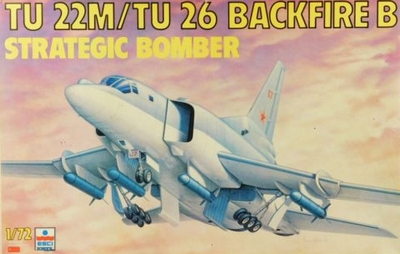
The Backfire appeared in various
versions.
ESCI from Italy issued a
1/72 kit back in 1989, together with a "Blinder" kit. This was quite welcome
as Soviet aircraft kits of such a large subject were and at the time quite
rare.
NOTE: Trumpeter
released a much better kit in 2009
I tried to correct the kit to have a better looking Backfire model in 1/72. However, it takes effort to do so, so how is it done?
The fuselage height in total fuselage length is far too heigh, 3 mm should be removed. A long cut is made on the upper fuselage parts to remove the plastic.
The nose contour needs to be far "rounder"
in cross section, so make cuts and bend round. Fill and sand the entire
highly modified fuselage until this is really smooth.
The nose radar cone also needs to
be much smaller and pointier, so cut and sand.
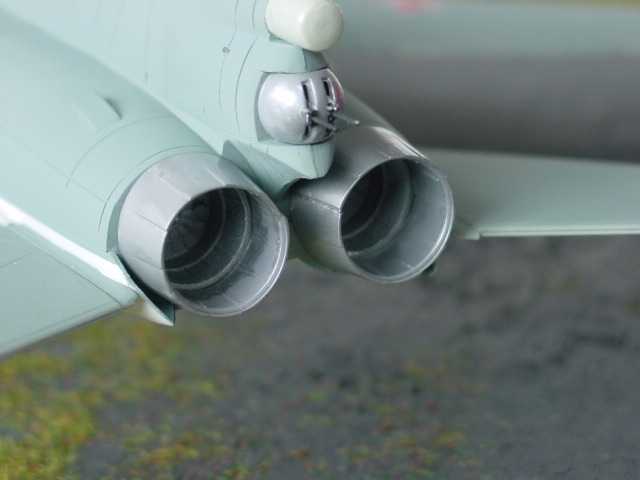
The rear fuselage section needs new exhaust pipes, Make a cut along the kit's parts, remove a section, bend round and glue.
The tailfin was reduced 6 mm
in height at the top.
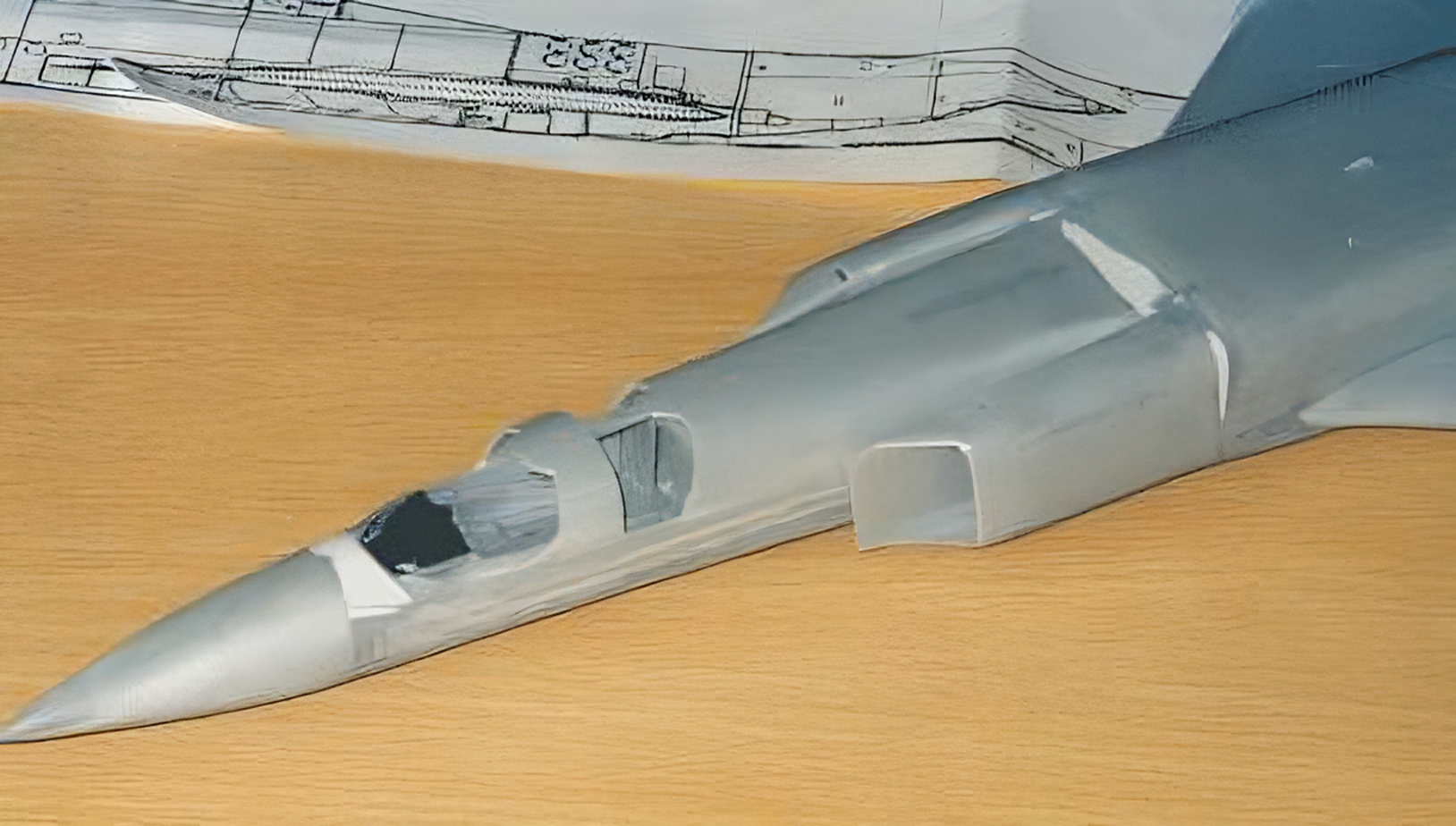
The fuselage itself was lengthened
25 mm just before the main fuselage section with a plug.
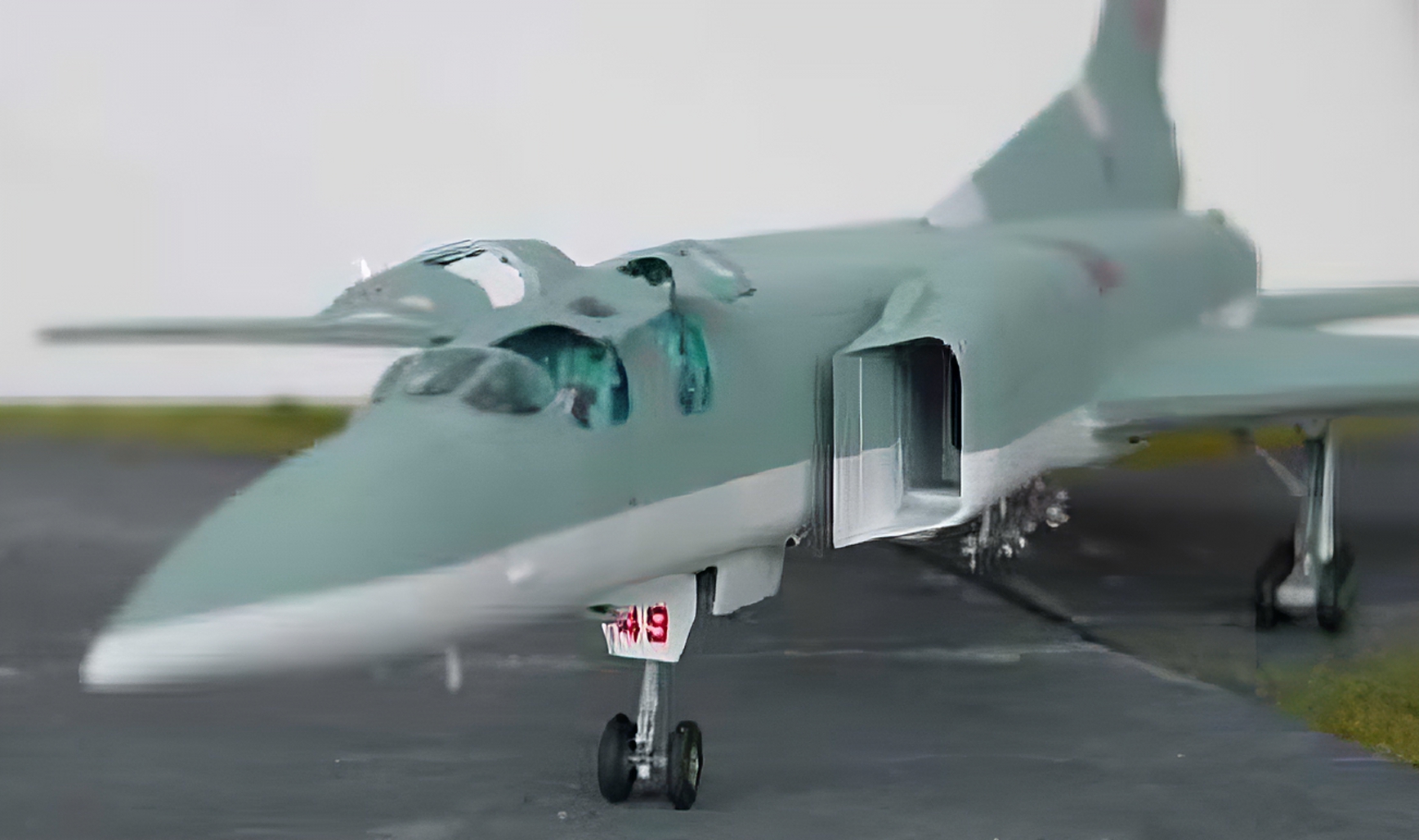
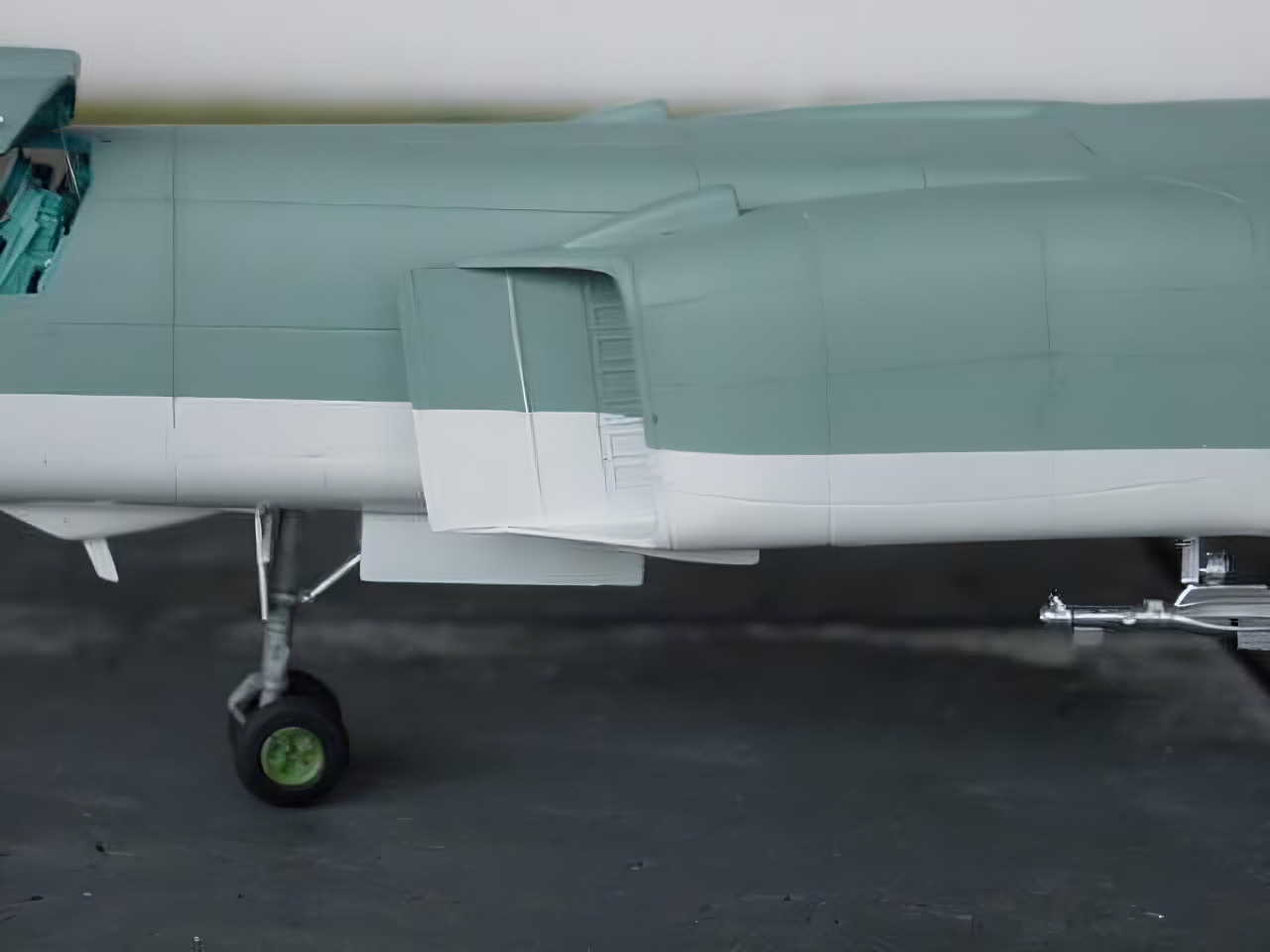
The intakes should thus be corrected also to reflect the 3 mm reduction in height. This gives a far better appearance. They were also set at an LE angle downwards.
The wings are acceptable in plan view,
but the wing root itself should be moved 15 mm more aft. This requires
major surgery on the fuselage and the wing pivot at the root, cutting is
loose from the fuselage.
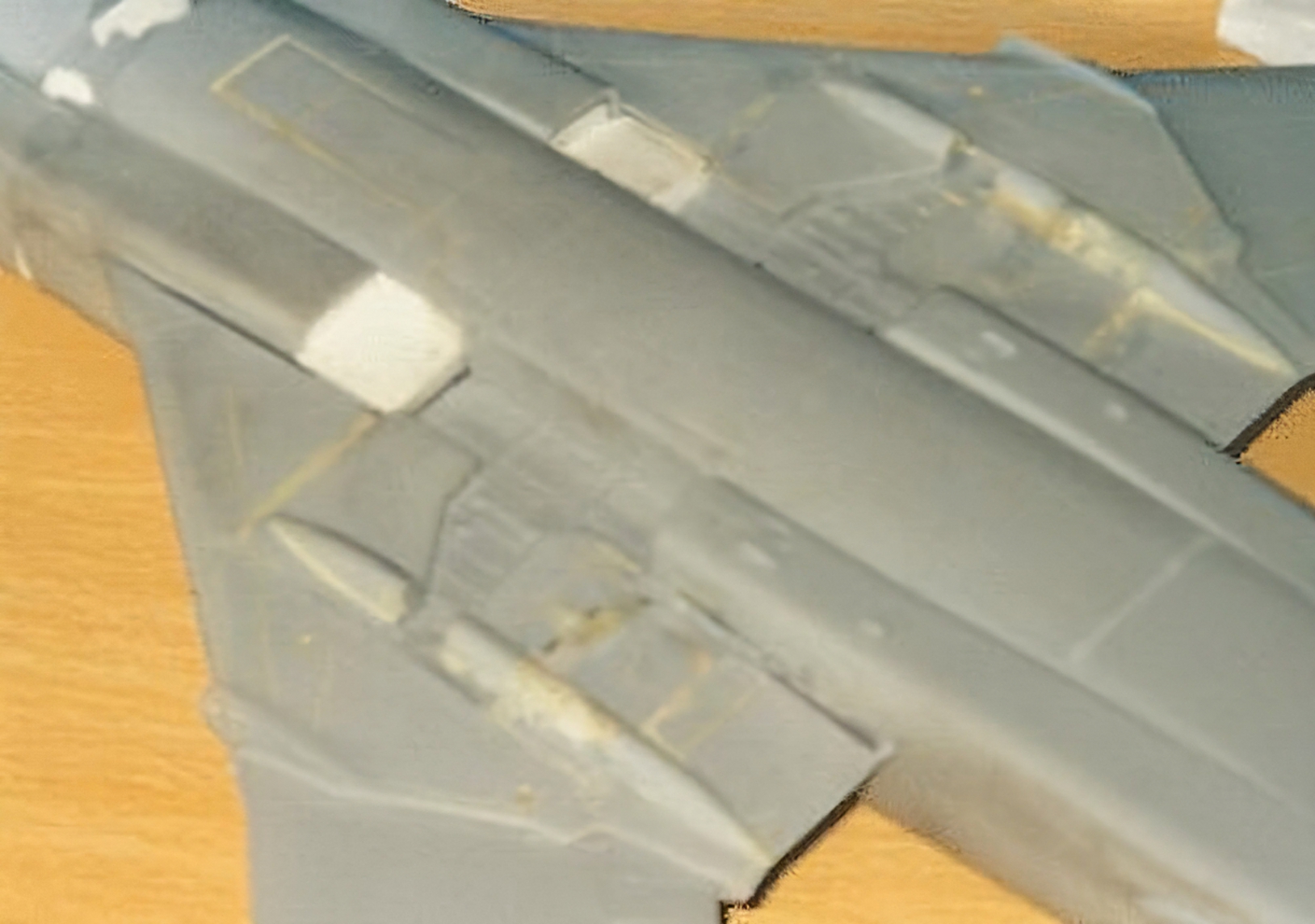
Also, the fairings next to the main
bays were extended.
The cockpit wind screen can be used, but fill the lower part with putty to get a correct look. It requires some carefull looking at pictures and adjusting the position an look of this clear part.
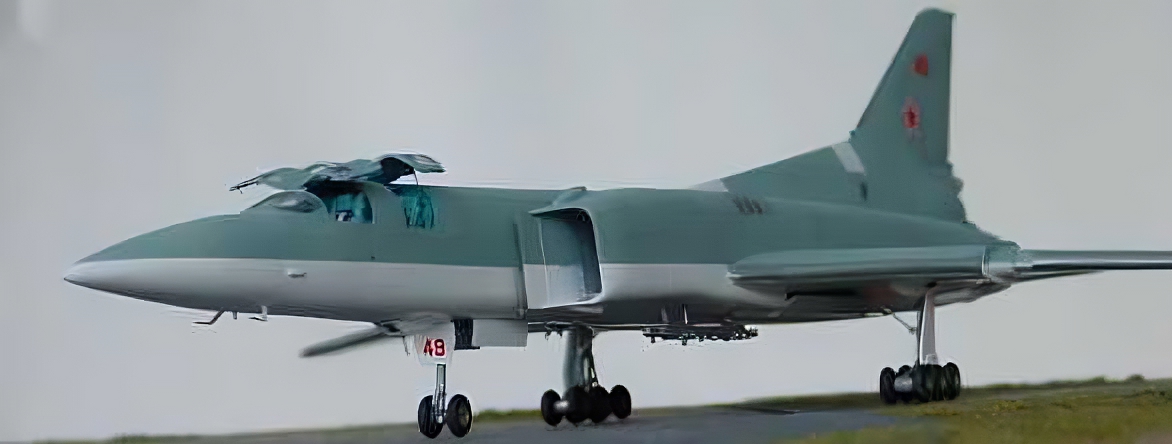
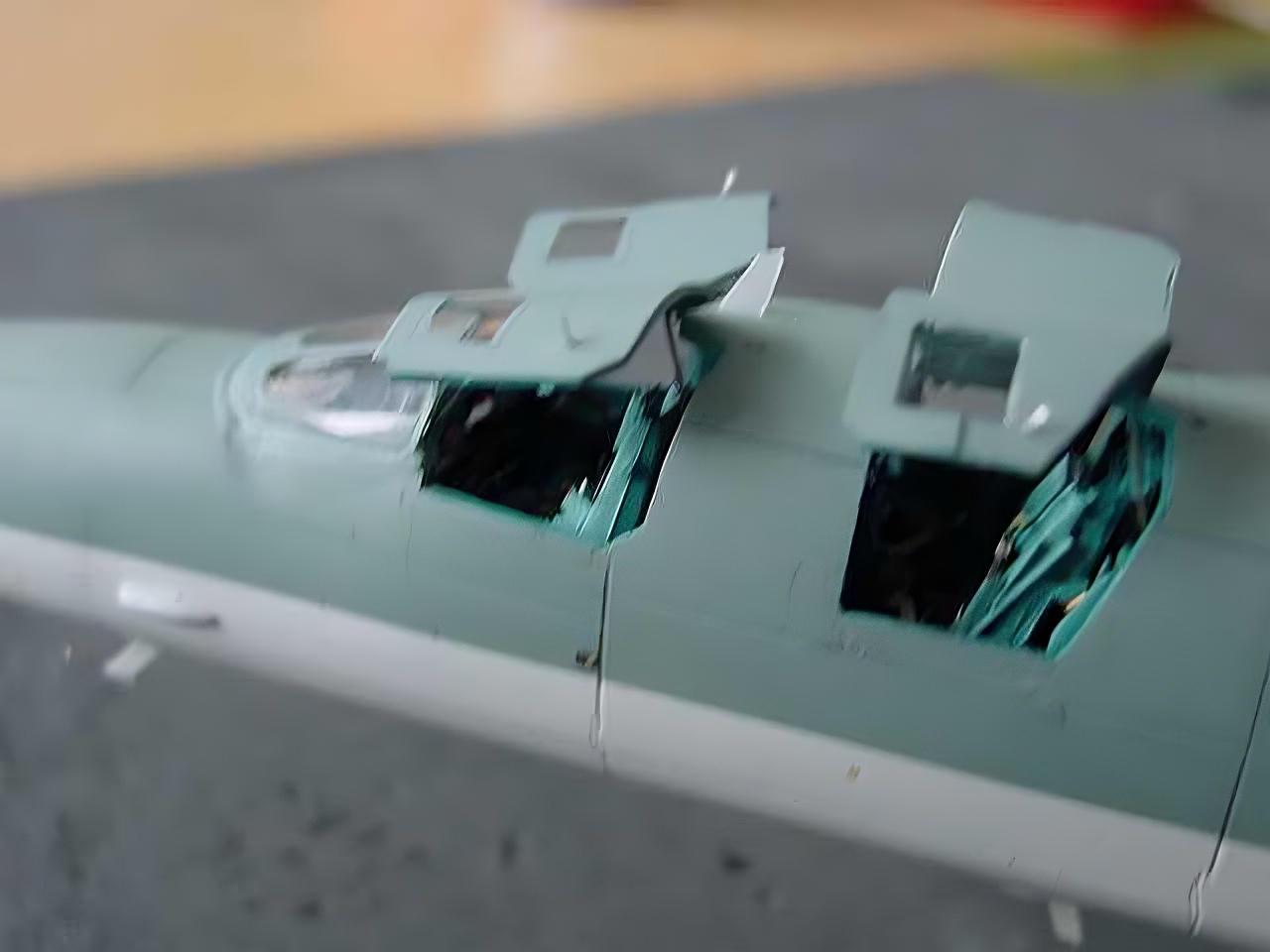
The model was detailed with the cockpit hatches opened and adding ejection seats. Four were made and in addition, an U9-68 bomb rack was added below the fuselage.
The wing glove with the pivot is not so accurate, but can left as is. The main lower wheel bays should be kept in the same position as in the original part but lengthened 15 mm. Replace the m.u.c doors with larger ones.
The horizontal tail stabilizers are correct but were set 10 mm more to the rear. The nose undercarriage bay was moved 5 mm more aft and reduced 5 mm length. The nose wheels should be replaced with larger ones
The undercarriage legs are a bit too long and have to be detailed with the boogie installation. After a lot of modelling, the model was ready and much better than the original kit.
The version
made is of the Backfire Tu-22 M-2 of Soviet Naval aviation, Ryazan Centre,
No. 49 RED of 1995. It has the straight intakes with canon in the
rear tail. See references listed below for more info
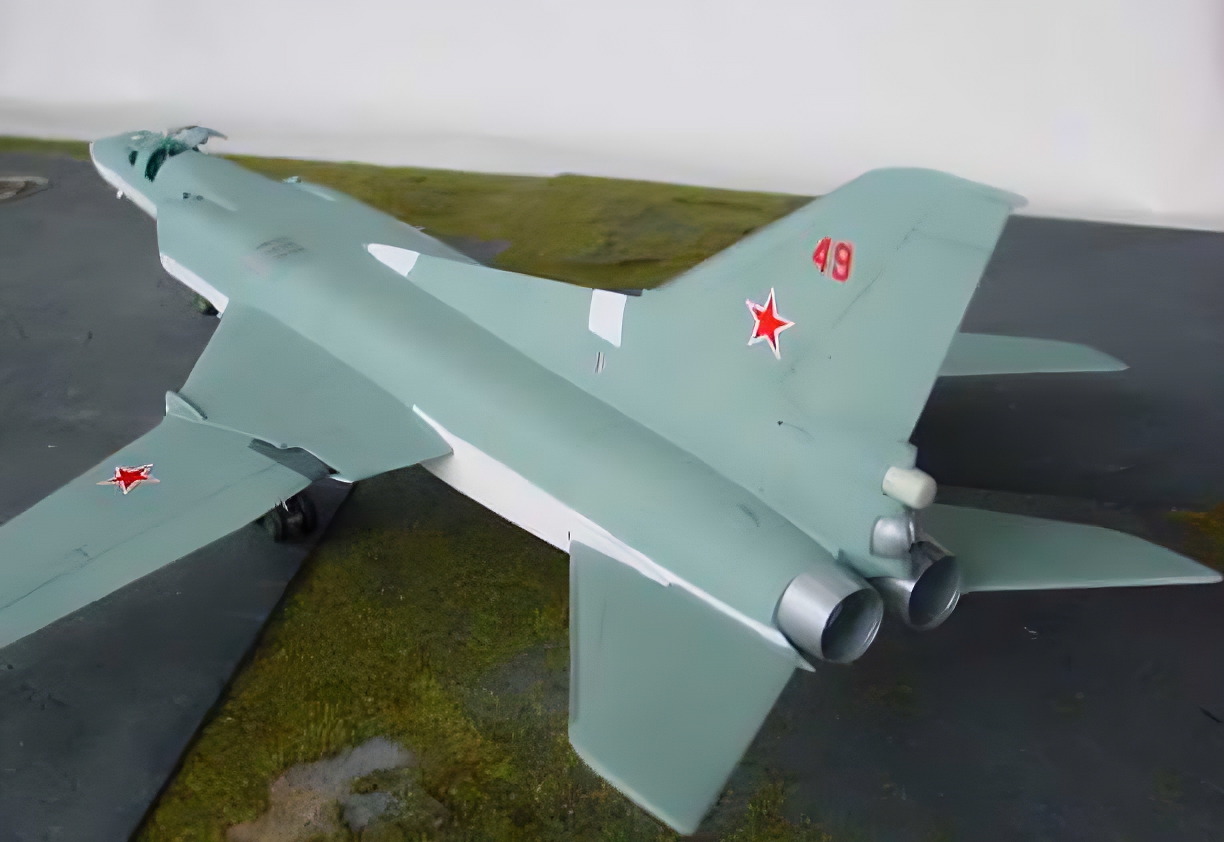
Decals with the stars came from ESCI
kit and spare box.
References:
- Tupolev Blinder and Backfire, ALTAIR, Poland 1995, (includes excellent drawings)
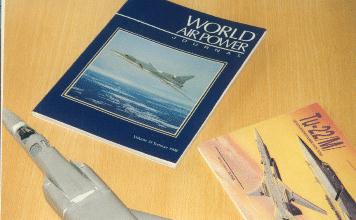
- World Air Power, Summer 1998, Volume 33

(c) Copyright Meindert "designer"/ All rights reserved. Your comments are welcomed by webmaster
Created January 26, 2001